



The disposable vitrectomy probe developed by Wuxi Brisight Nord Medical Technology Co., Ltd. has been approved for market launch by China National Medical Products Administration (NMPA) on Sept.2024. It is the first vitreous probe developed and made in China.
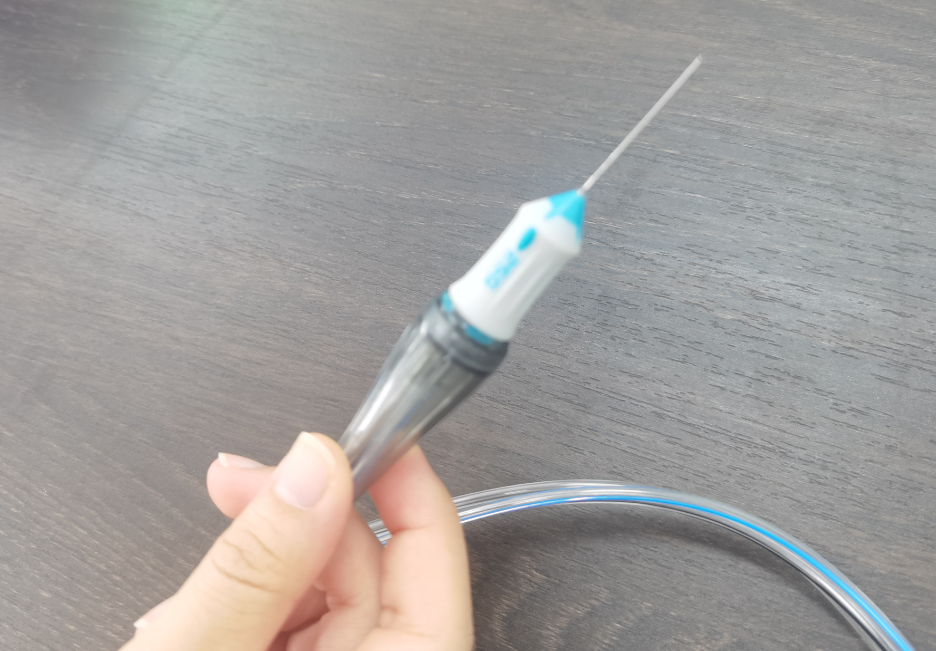
Vitrectomy probe
The vitrectomy probe is the “power tool” of vitrectomy surgery. In the field of ophthalmology, vitrectomy surgery is classified as a Level IV procedure, the highest level of ophthalmic surgery, which requiring surgeons to perform precise and meticulous maneuvers throughout the procedure, making it extremely challenging. With the assistance of “cutting-edge technology” such as vitrectomy machines and vitrectomy cutting probe, ophthalmic treatment has broken through previously inaccessible “forbidden zones” within the eye. Today, vitrectomy surgery is widely used to treat various blinding eye diseases, such as macular diseases, diabetic retinopathy, retinal detachment, and retinal tears, bringing light back into patients' lives.

This needle size probe, which looks “ordinary,” is actually highly innovative.
There are only six companies worldwide that can develop and manufacture vitreoretinal surgery equipment and consumables. With the obtain of NMPA certificate, Brisight becomes the 7th company in world.
Brisight’s vitreous probe is a two pneumatic drive cutter, the basic cutting speed of which is 10,000 times per minute for single blade, reducing traction and disturbance to the retina, thereby reducing surgical complications and improving safety. At the same time, the dual-air-channel drive improves vitreous cutting efficiency and suction flow rate, improving surgical efficiency.
Currently, Brisight has developed 3 specifications of vitrectomy probes: 23G (needle diameter 0.6 mm), 25G (0.5 mm), and 27G (0.4 mm). These probes are suitable for a variety of minimally invasive vitrectomy procedures, enabling doctors to refine their surgical techniques and preserve patients' vision.

Currently, Brisight’s single use vitrectomy probe have been launched on the market and are compatible to work with the most widely used vitrectomy machines from major brands globally. This is expected to address the clinical challenge of limited surgical adoption worldwide due to the high cost of medical devices.

At the same time, Brisight's independently developed Phaco Vitreous system is already in the application stage, and is expected to be approved by the end of 2025.